
As part of its capacity-building activities, the WiderAdvance Facility organised a two-day Study Visit to Prague, bringing together the beneficiaries of the Facility Call as well as other representatives from Widening countries for an in-depth exploration of the Czech innovation ecosystem.
The Study Visit was hosted and designed by our partner UNICO Analytics to provide hands-on learning and peer exchange opportunities for institutions supported by the WiderAdvance Facility. By experiencing a well-established innovation environment first-hand, beneficiaries gained practical insights into how research results can be translated into societal and economic impact.
© Václav Bacovský | www.krasnesvetlo.cz
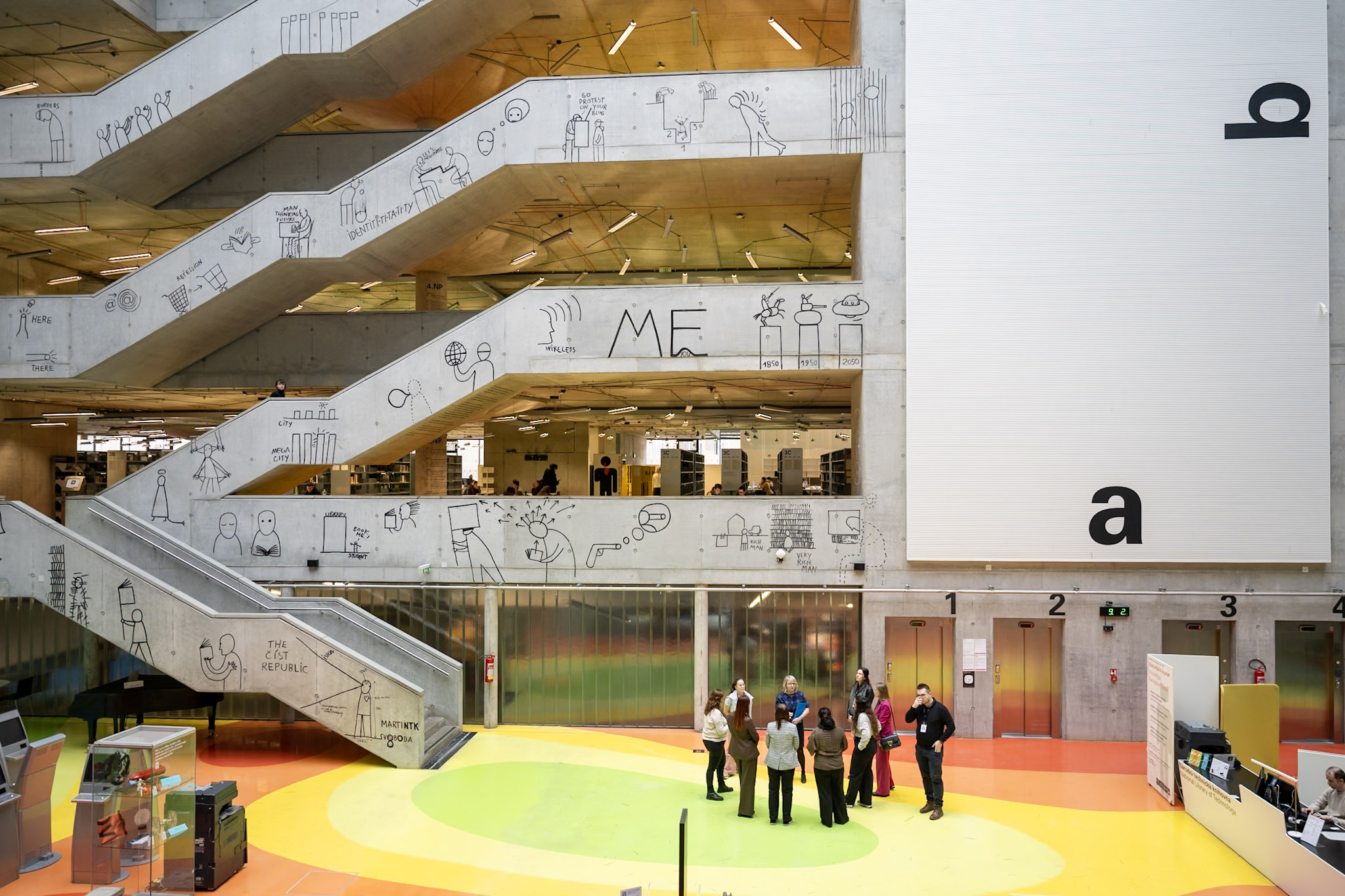
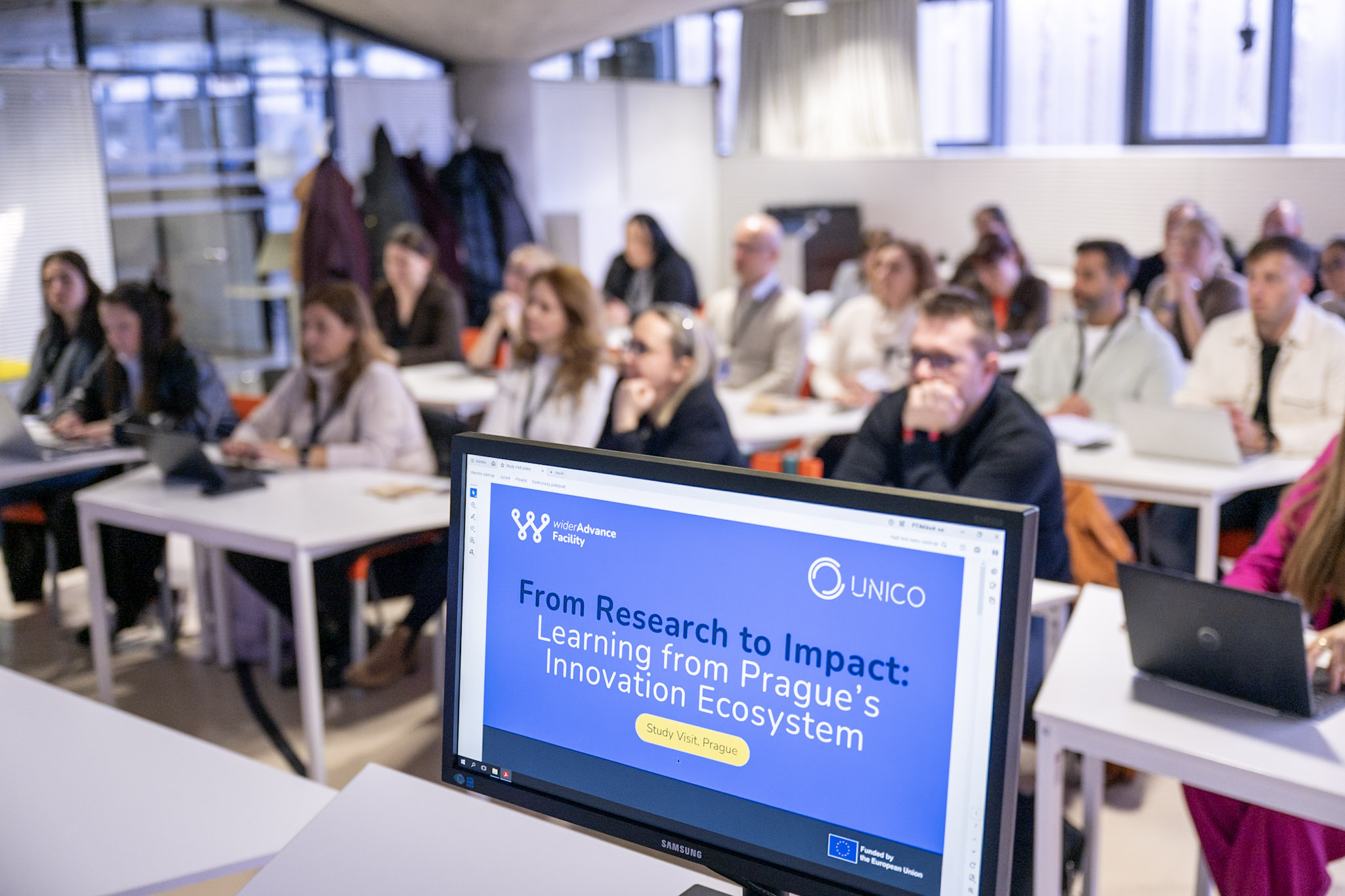
The first day concentrated on how research support is organised at institutional level and started at the National Library of Technology (NTK), which is more than a library as it serves as a vibrant meeting point for students, researchers, startups and innovation actors. The participants took a tour of the unique NTK building and its facilities and explored how NTK functions as a hub where academia, entrepreneurs and innovation intermediaries intersect.
During the introductory session, representatives of NTK and UNICO presented the Czech R&I ecosystem, sparking discussions and sharing experiences between participants on how coordinated support structures and accessible infrastructure strengthen research valorisation.
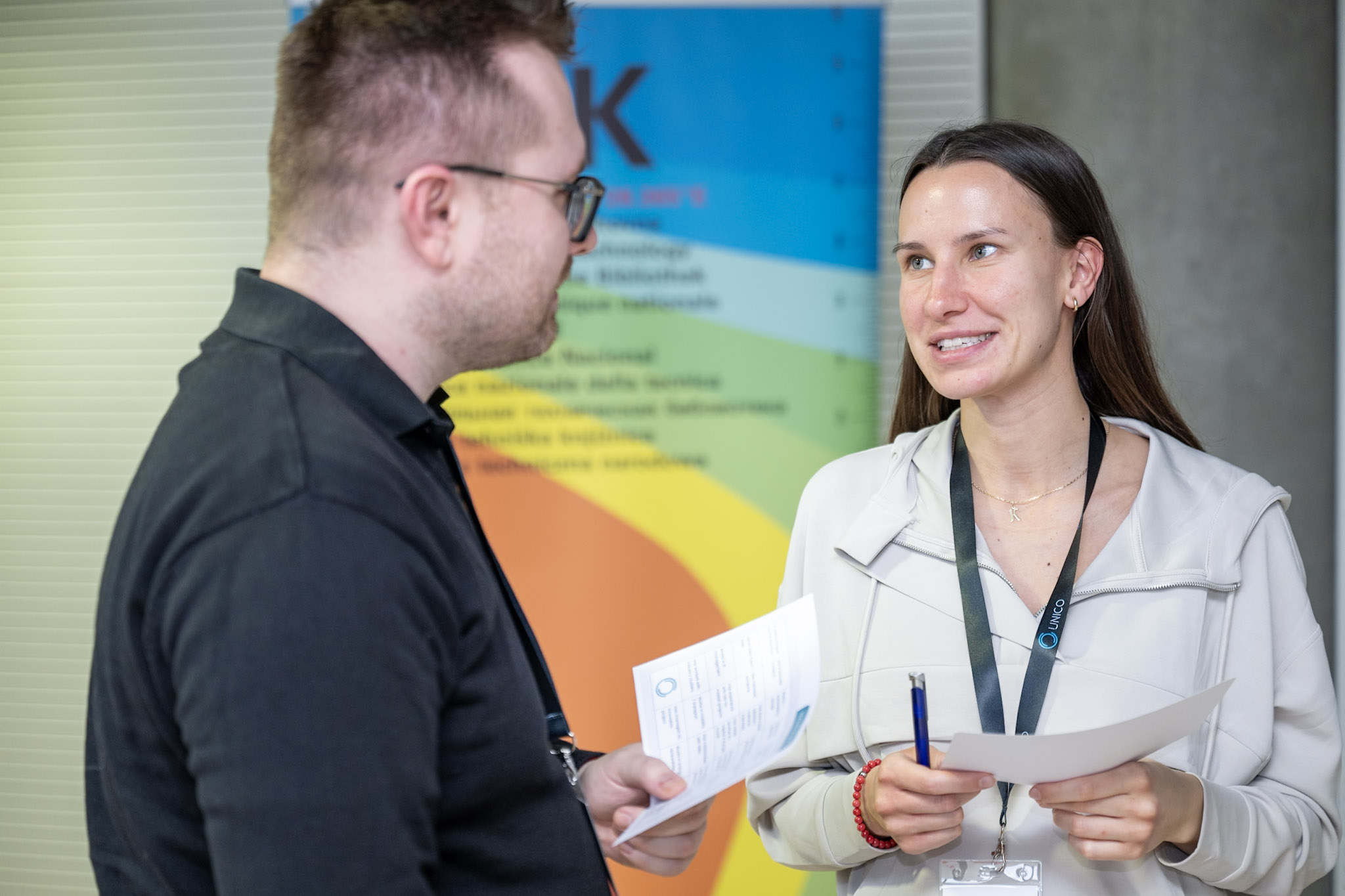
Then the group moved to Charles University, hosted at Kampus Hybernská — a joint platform of the City of Prague and Charles University that connects science, innovation, arts and the public. Here, the Study Visit shifted from ecosystem overview to institutional practice. Participants engaged with the Centre for Knowledge and Technology Transfer (CPPT) and Charles University Innovations Prague (CUIP), exploring how the university structures IP management, spin-off creation and industry collaboration. Exchanges with the European Centre and research support teams provided insight into how EU-funded projects are strategically supported from proposal stage to implementation. Through a World Café format, beneficiaries had a chance to ask questios to the speakers and reflect on how integrated support from research development to commercialisation creates coherent pathways from lab to market.
© Václav Bacovský | www.krasnesvetlo.cz
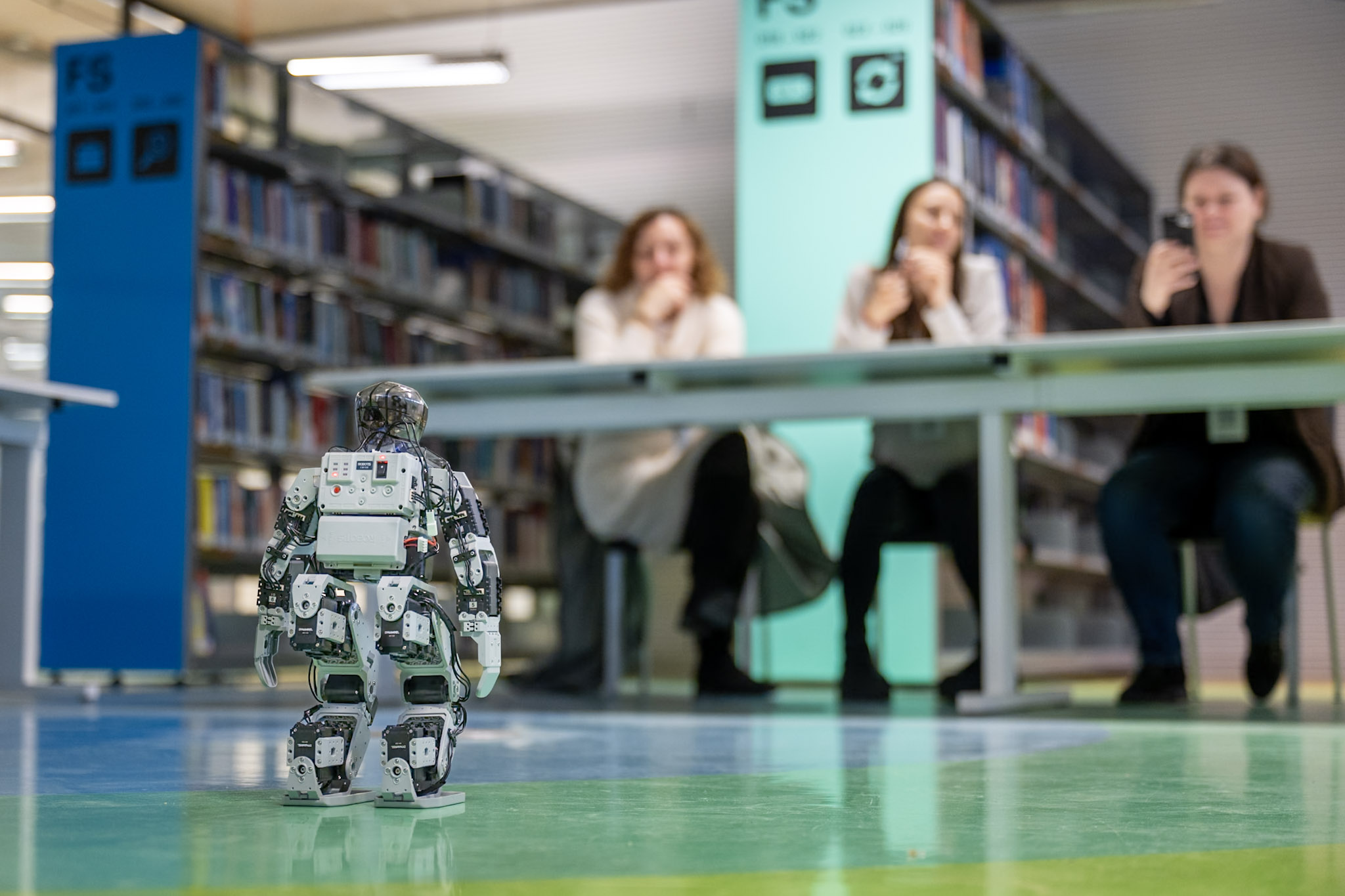
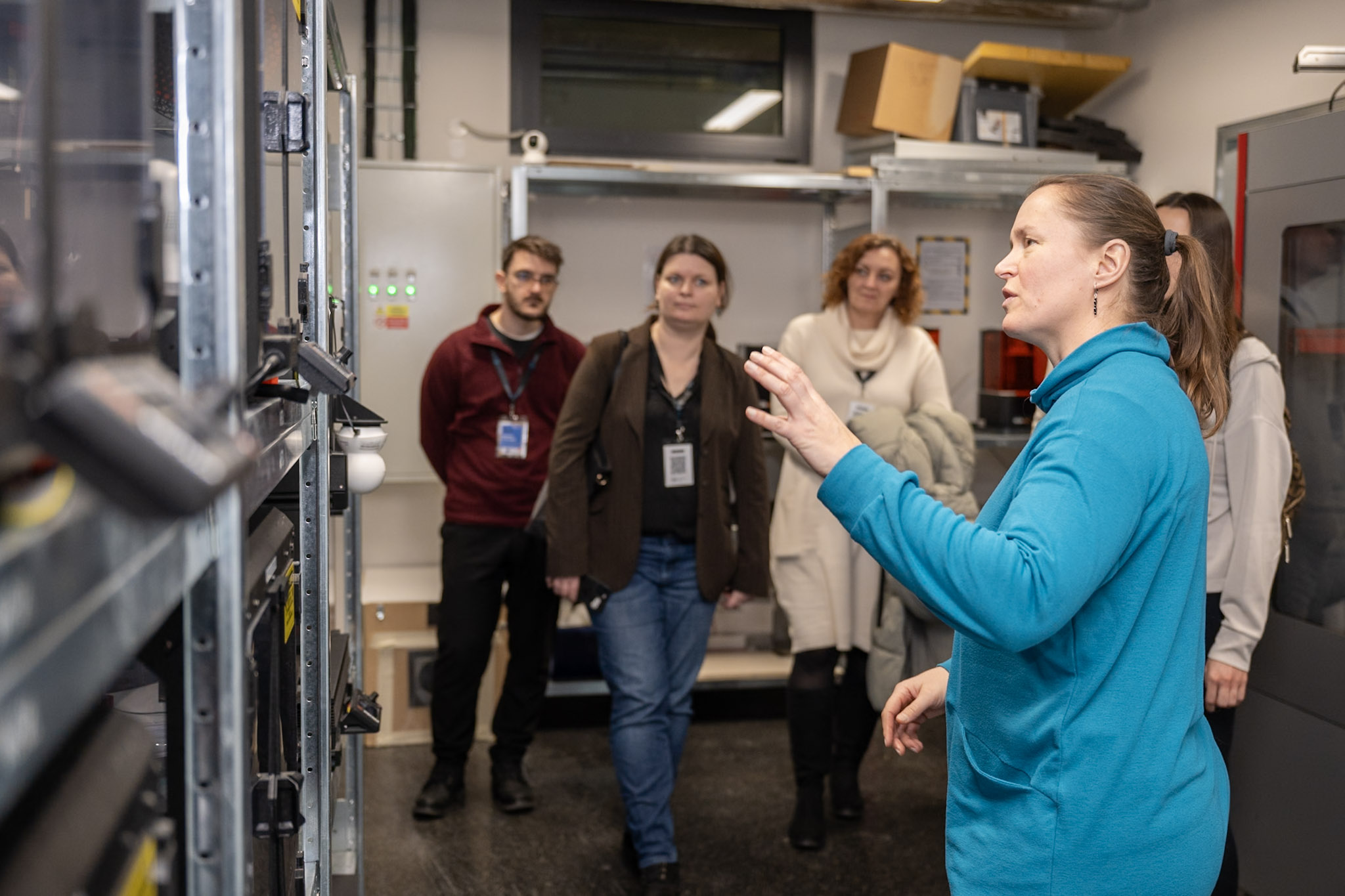
The second day brought participants to Dolní Břežany to visit the laser centres of the Czech Academy of Sciences, beginning with ELI Beamlines. As part of the European Extreme Light Infrastructure, ELI Beamlines operates some of the most powerful laser systems in the world. Beneficiaries were introduced to the centre’s innovation activities and learned how frontier research in high-field physics and laser–matter interaction is connected to applications in materials science, medicine and advanced technologies. The visit demonstrated how large-scale research infrastructures combine scientific excellence with strategic innovation planning and international collaboration.The programme continued at HiLASE Centre, a research and development facility focused on advanced laser technologies with direct industrial applications. Discussions here centred on how applied research is translated into precision manufacturing and smart industry solutions. Participants also learned about EDIH Brain4Industry, hosted by HiLASE, which supports companies in adopting digital and smart manufacturing technologies. This visit clearly illustrated how research institutions can serve as engines of industrial competitiveness through structured collaboration, testbeds and technology transfer services.
© Václav Bacovský | www.krasnesvetlo.cz
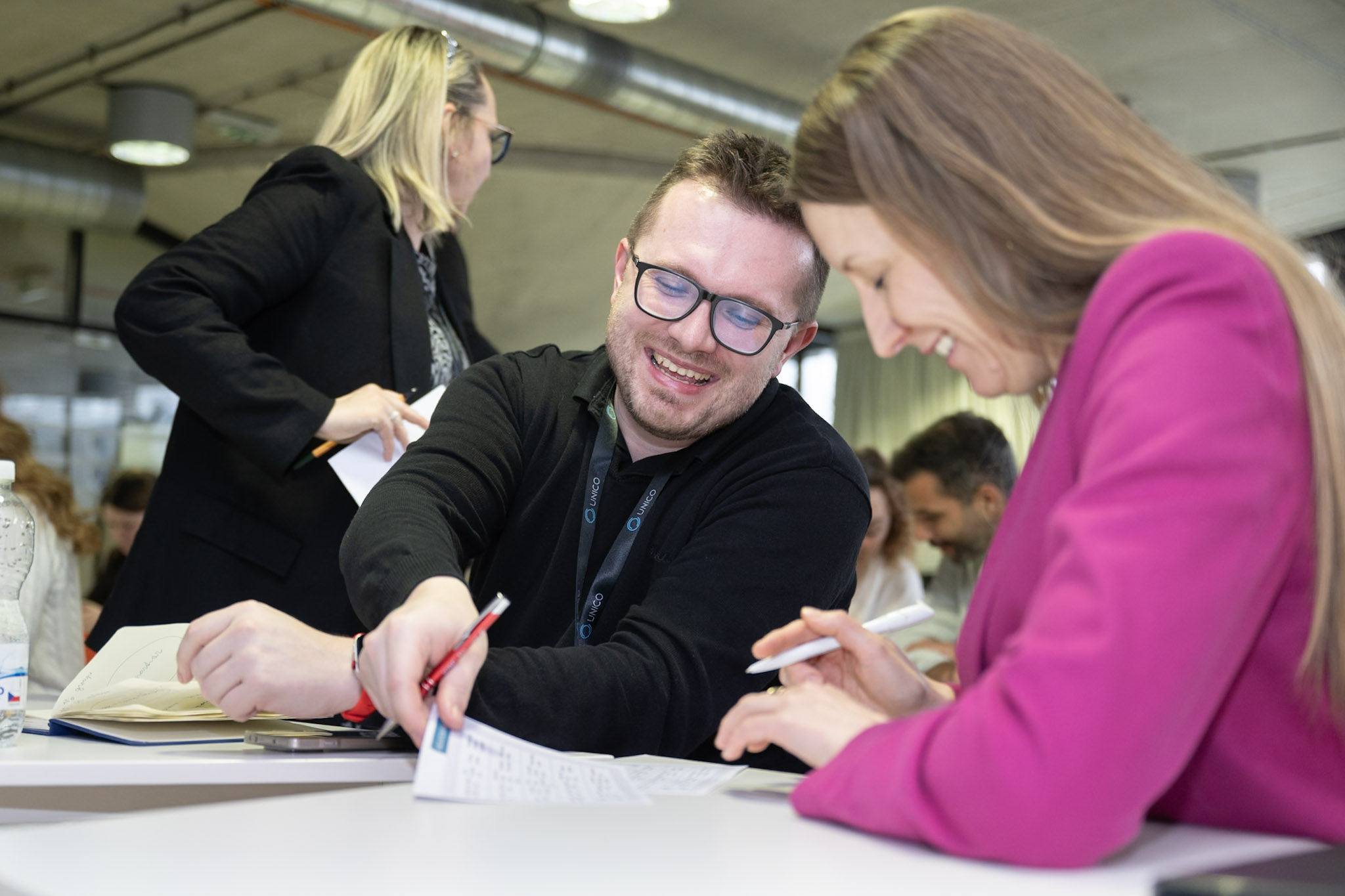
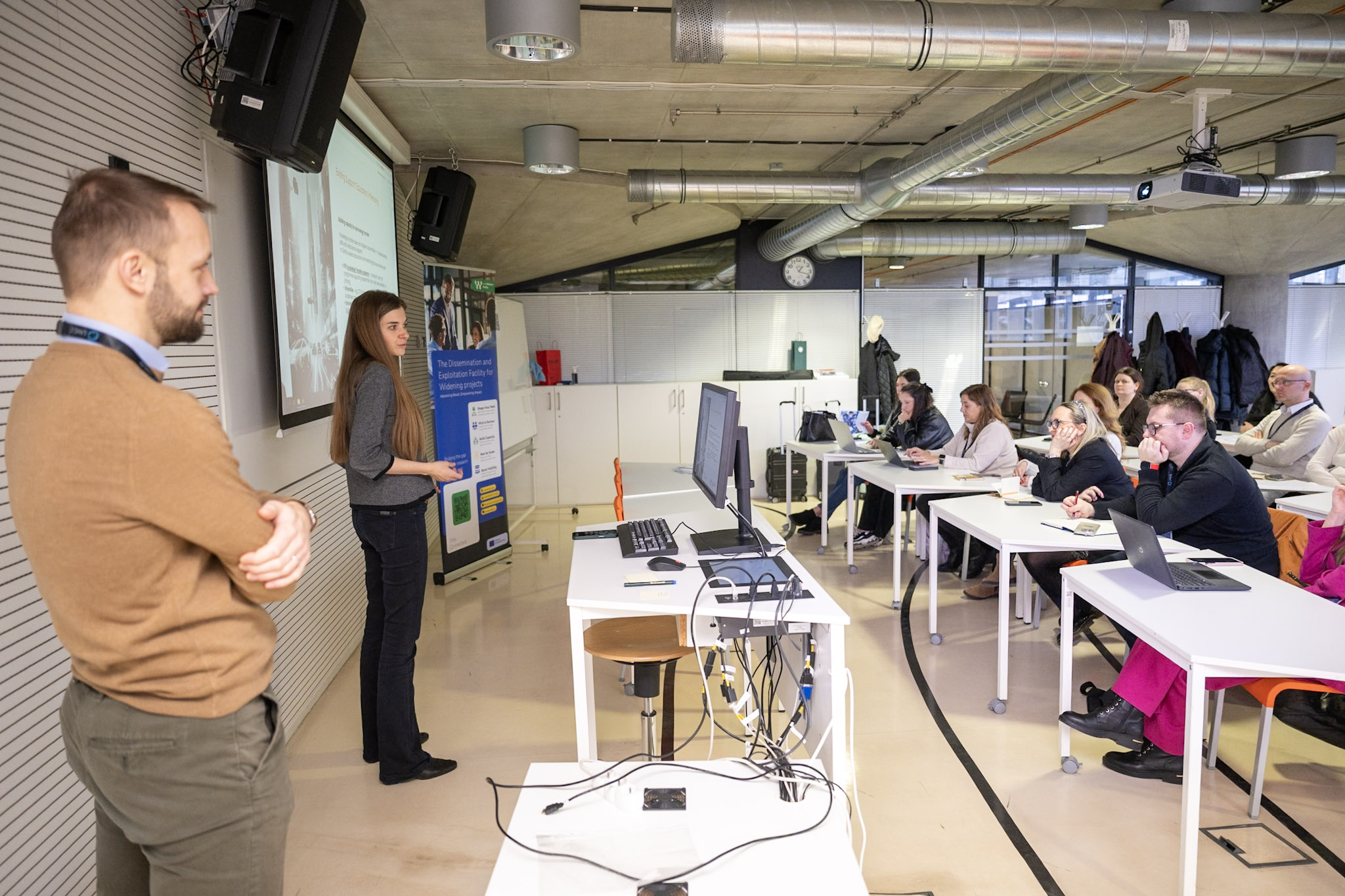
As final part, beneficiaries took part in an interactive “From Lab to Market” workshop led by UNICO experts. Building on the site visits, the session translated observations into practice, guiding participants through case studies on business validation, IP strategy and commercialisation models. The Study Visit concluded with a facilitated wrap-up discussion, where beneficiaries reflected on lessons learned and considered how elements of Prague’s ecosystem — from innovation governance to industry engagement, could inform their own institutional transformation processes.
© Václav Bacovský | www.krasnesvetlo.cz
Over the two days, the visit combined ecosystem overview, institutional practice, infrastructure-level strategy, and hands-on commercialisation discussion. The goal was not to present a single “model,” but to expose participants to concrete examples of how research valorisation is organised in practice. We would like to thank everyone for their openness and for sharing their experiences.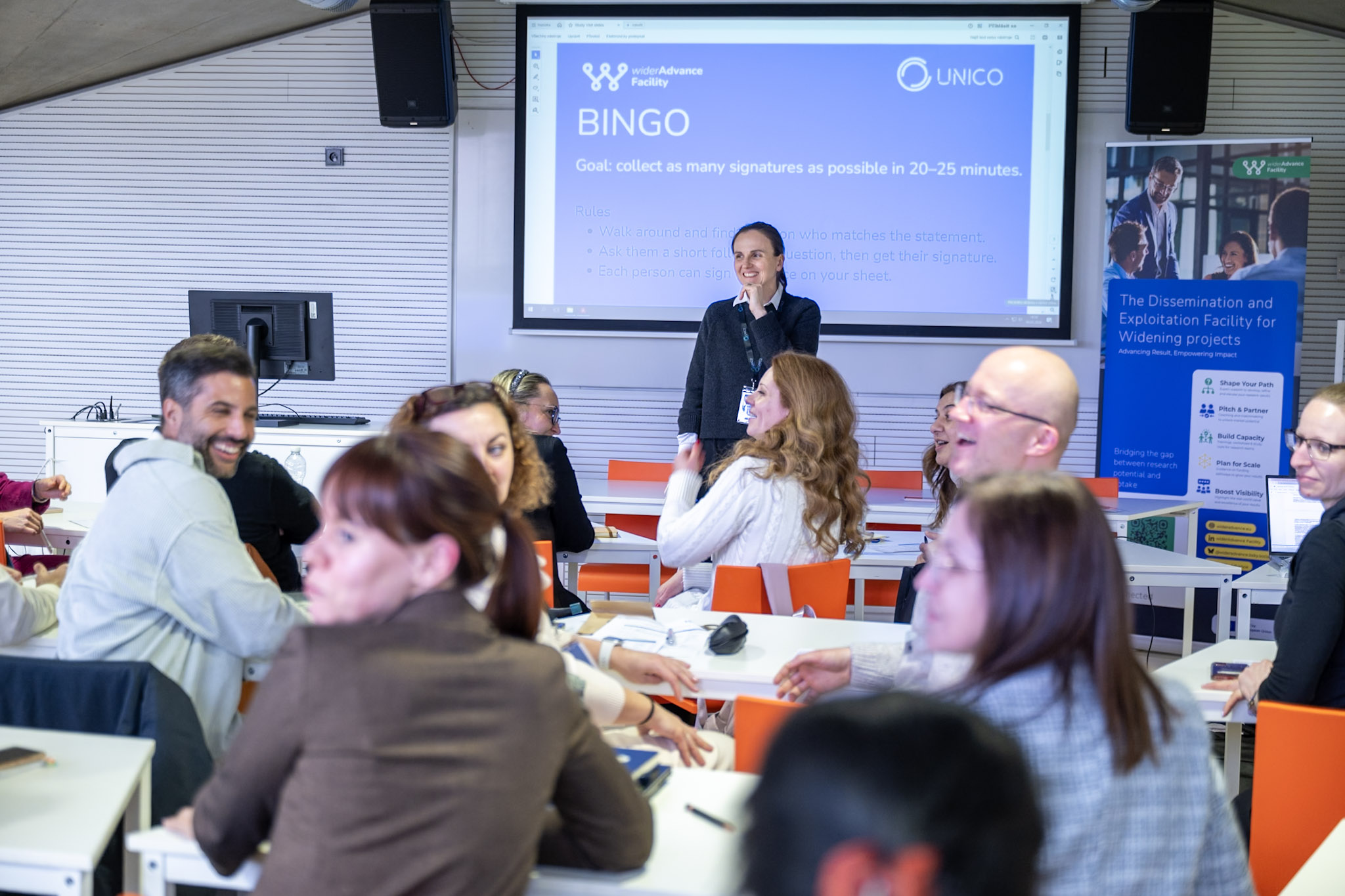
© Václav Bacovský | www.krasnesvetlo.cz